

Choose the right course for each member of your team to ensure full GDP compliance across your organisation.
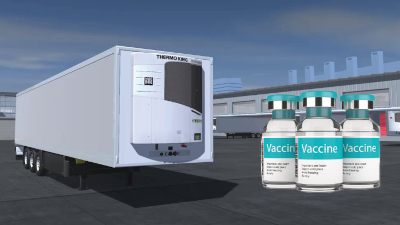
Essential training for drivers transporting pharmaceutical and medicinal products. Covers cold chain, hygiene, loading practices, and en-route compliance.

Covers GDP regulations, management responsibilities, cold chain oversight, and how to ensure your operation meets EU and UK compliance requirements.

In-depth training on RP responsibilities, GDP regulations, quality management, and the oversight required for pharma distribution compliance.
All of our Good Distribution Practice training needs are taken care of by Aptarus. We train our drivers and management team all in one place.

The Aptarus Learning system gives our management team full visibility on training activities and improvements in driving behaviour.
The Aptarus platform is well designed and easy to use. The training courses are engaging and well-structured.
Train anytime, anywhere — no scheduling required
Works on any device, including phones and tablets
Full audit trail for compliance and inspections
Certificates issued automatically on completion
Learners progress at their own speed
Pay As You Go for one-off purchases, or save more with one of our subscription plans.
Still unsure if our courses are right for you - why not find out more by choosing one of the options below: